
Frequently Asked Questions
Practical answers from the Wellnessplanbuilder editorial team on balanced nutrition, healthy eating habits, and how to make the most of our guides and articles.
The information on this site is for educational purposes only and does not constitute medical advice. Always consult a qualified healthcare professional before making health decisions.
Can't find what you're looking for? Browse our editorial articles or reach out via our contact page and our team will get back to you.
A balanced diet refers to a pattern of eating that consistently provides your body with the right proportions of macronutrients — carbohydrates, proteins, and fats — along with essential vitamins and minerals. In everyday life, this doesn't mean counting every calorie or following a rigid plan. It means building meals around whole grains, vegetables, fruits, legumes, and quality protein sources, while limiting heavily processed foods and added sugars.
Our editorial team at Wellnessplanbuilder publishes practical guides to help readers understand these proportions in the context of real Spanish Mediterranean eating traditions, which are widely recognized as an excellent model for balanced daily nutrition.
The Mediterranean-style eating pattern is highly flexible and tends to suit a wide variety of people due to its emphasis on whole foods, plant-based ingredients, and healthy fats like olive oil. It is not a restrictive protocol — it's a lifestyle approach built on variety and moderation.
That said, individual food needs can vary based on personal circumstances, activity levels, and food sensitivities. Our articles explore adaptations of Mediterranean-style eating for different life stages, including active adults, older readers, and those managing busy modern schedules. For personalized input, we always recommend consulting a qualified nutrition professional.
There is no single universal answer — the ideal number of daily meals depends on your schedule, hunger patterns, and personal preferences. Some people feel their best with three structured meals and no snacks; others thrive on four to five smaller portions spread throughout the day. What matters more than frequency is the quality and composition of what you eat.
Wellnessplanbuilder's editorial content covers various eating rhythms and their practical implications. You'll find articles exploring breakfast-first approaches, time-aware eating patterns, and how meal timing interacts with energy throughout the day — all framed around real-life usability rather than rigid rules.
Carbohydrates have an undeserved negative reputation in popular media. The reality is that carbohydrates are the body's primary energy source and play a vital role in a balanced diet. The key distinction is between complex carbohydrates — found in whole grains, legumes, vegetables, and fruit — and refined, fast-digesting carbohydrates found in white bread, pastries, and sugary beverages.
Our guides consistently emphasize choosing complex, fiber-rich carbohydrates over refined alternatives rather than eliminating carbs altogether. This approach aligns with well-established nutrition principles and is a central feature of the traditional Spanish and broader Mediterranean dietary pattern. Read more on this topic in our latest articles.
Hydration is often the most overlooked component of a balanced diet. Water is essential for digestion, nutrient absorption, circulation, and maintaining physical energy. Adults are generally advised to drink around 1.5 to 2 litres of water per day, though actual needs vary with climate, activity, and individual factors — something particularly relevant in Spain's warmer regions like Málaga.
Beyond plain water, hydration also comes from water-rich foods such as cucumbers, tomatoes, citrus fruits, and soups. Our editorial pieces dive into practical hydration strategies for different seasons and lifestyles, helping readers build consistent habits rather than following arbitrary daily targets.
Understanding food labels can be genuinely empowering when shopping for nutritious options. The most useful information to look at first is the ingredients list — ingredients are listed in descending order by weight, so if sugar or refined oil appears near the top, the product is heavily reliant on those components. Next, look at the "per 100g" column in the nutritional information, as it allows fair comparisons between products.
Key values to pay attention to include total sugars, saturated fat, and fibre content. Our step-by-step label-reading guides on Wellnessplanbuilder break this process down with real supermarket examples commonly found in Spanish grocery stores, making it straightforward for everyday shoppers.
Absolutely — eating well does not require a large food budget. Some of the most nutritious foods available are among the most affordable: lentils, chickpeas, beans, eggs, seasonal vegetables, frozen fish, whole grain pasta, and natural yogurt. The key is planning meals ahead, shopping with a list, and minimizing waste by cooking in batches.
Wellnessplanbuilder regularly publishes budget-conscious meal planning content tailored to Spanish households. Our editorial team explores local markets, seasonal produce, and practical cooking strategies that make balanced eating accessible to readers at all income levels — because good nutrition should not be a luxury.
In Spain, as in many European countries, the term "dietitian-nutritionist" (dietista-nutricionista) refers to a regulated health professional who has completed an official university degree in human nutrition and dietetics. This is a protected title. The term "nutritionist" on its own is not always regulated in the same way and may be used by individuals with varying levels of formal training.
When seeking personalized eating guidance, it's always worth verifying the credentials of the professional you consult. Our articles on Wellnessplanbuilder regularly explain the distinctions between different types of food and eating advisors, and we always recommend verified professionals for any individual nutrition planning needs.
Diet and physical activity are deeply interconnected. Regular movement affects how your body uses the nutrients from food — including how efficiently it processes carbohydrates, regulates appetite, and maintains lean muscle. A balanced diet supports energy availability before and after physical activity and aids recovery over time.
At Wellnessplanbuilder, our content explores how readers can align their eating patterns with their movement habits — whether that's daily walking, cycling through Spanish cities, swimming, or structured exercise. We don't advocate for extreme performance nutrition but rather sustainable, everyday habits that support an active and enjoyable lifestyle.
Yes — and this is one of the most important messages Wellnessplanbuilder promotes. Traditional Spanish cuisine is genuinely well-aligned with balanced eating principles. Dishes like gazpacho, grilled fish, legume stews, and fresh salads with olive oil are nutritionally excellent. Even enjoying paella or a well-prepared jamón in moderation fits comfortably within a balanced dietary pattern.
The issue is rarely traditional food itself — it's the modern, highly processed versions of meals that shift eating patterns away from balance. Our editorial team celebrates Spanish culinary heritage and helps readers understand how to enjoy it fully while maintaining long-term nutritional wellbeing. Healthy eating is meant to be pleasurable, not punishing.
The most effective starting point is not a dramatic overhaul but a series of small, sustainable changes. Begin by identifying one or two current habits that could be improved — perhaps breakfast is often skipped, or vegetables are rarely included at dinner. Focus on adding positive elements to your meals rather than restricting everything at once.
Wellnessplanbuilder's guides and articles are designed precisely for this kind of gradual, realistic progress. We recommend starting with our introductory articles on the blog, which walk through foundational habits without overwhelming detail. Building consistency over time is far more valuable than short-term perfection.
Wellnessplanbuilder is an independent editorial platform dedicated to balanced diet guidance and healthy lifestyle content. Our writing team draws on established nutrition science and practical culinary knowledge to create accessible, non-sensationalist content for everyday readers in Spain and beyond. We do not publish advertising disguised as editorial, and we do not promote supplements or commercial products.
Our goal is to be a reliable, easy-to-read resource that helps readers navigate the often confusing world of nutrition information. Every article is reviewed for accuracy before publication. If you have questions about our content, editorial standards, or a specific article, please visit our contact page — our editorial team is happy to respond.
Still Have Questions?
Our editorial team is happy to assist. Browse our full library of articles on balanced eating, or send us a message directly.
Explore More on Wellnessplanbuilder
Dive deeper into balanced diet topics through our curated editorial content, practical guides, and expert-informed articles.

Latest Nutrition Articles
Explore our most recent editorial pieces on everyday balanced eating, meal planning ideas, and food knowledge for modern Spanish life.
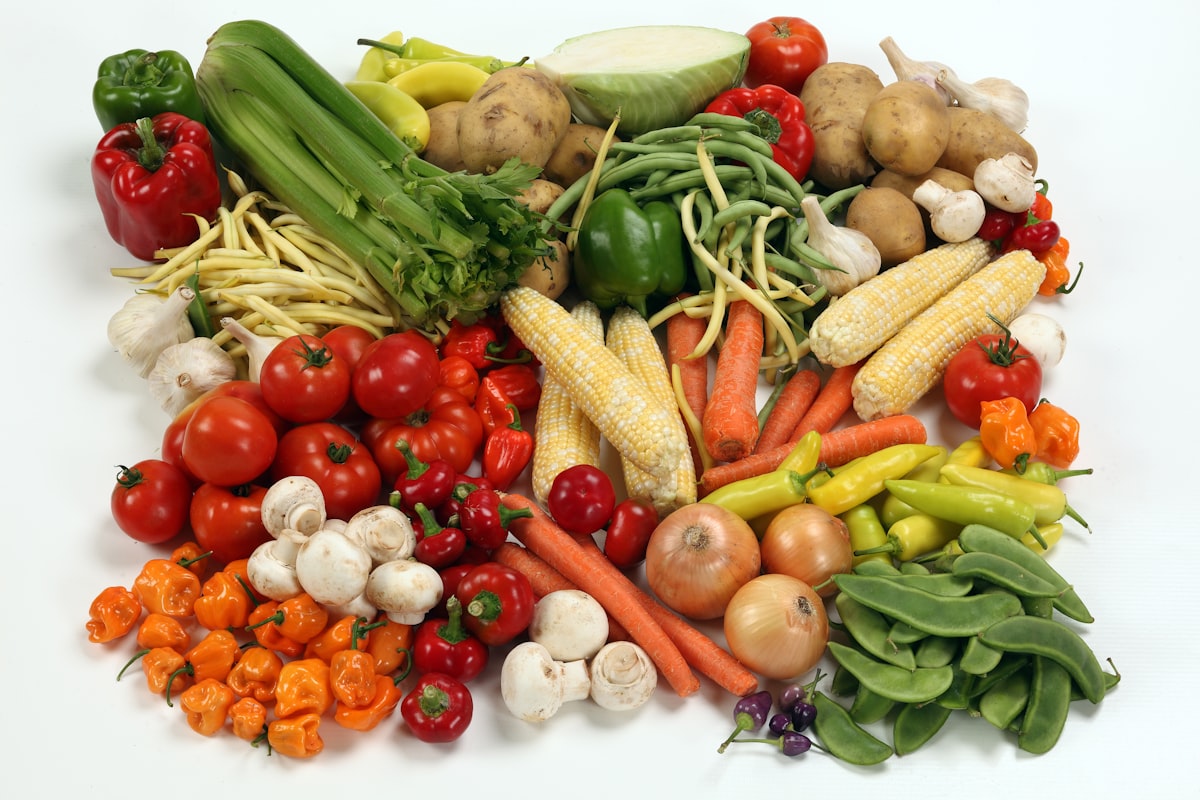
Step-by-Step Eating Guides
Structured, beginner-friendly guides covering the fundamentals of balanced nutrition, portion awareness, and sustainable daily habits.
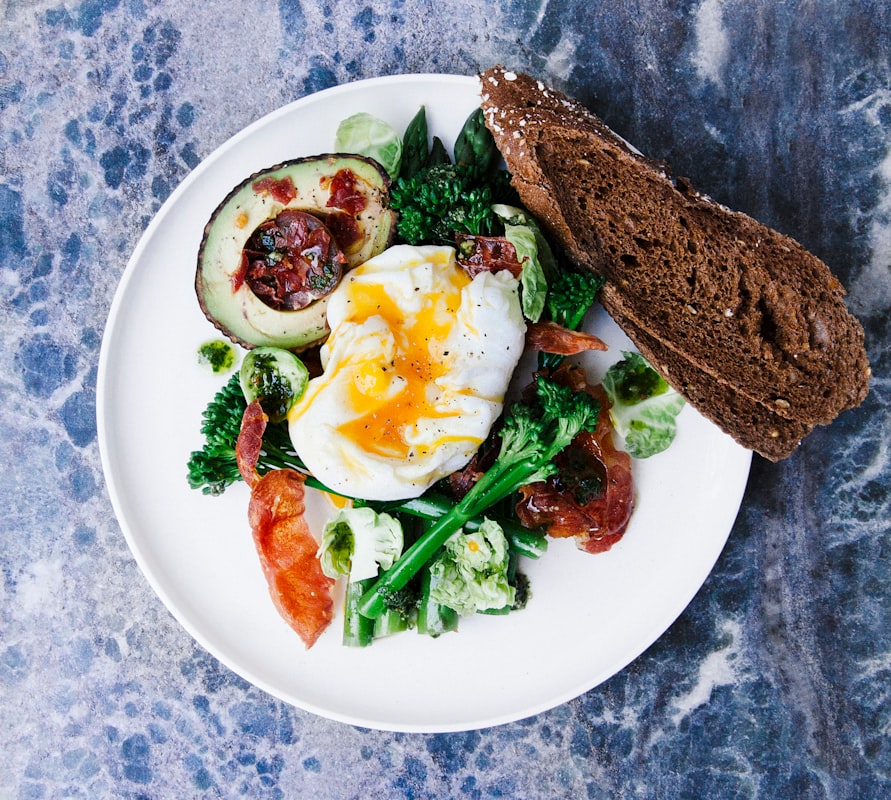
Our Editorial Team
Learn about the writers, nutrition experts, and editorial standards behind Wellnessplanbuilder — and our commitment to accessible, honest content.
Your Questions, Answered with Care
If your question isn't covered above, our editorial team at Wellnessplanbuilder is always ready to help. Reach out via our contact page or explore the blog for in-depth answers on balanced nutrition topics.
Wellnessplanbuilder — Avenida Libertad 90, Málaga | [email protected]